
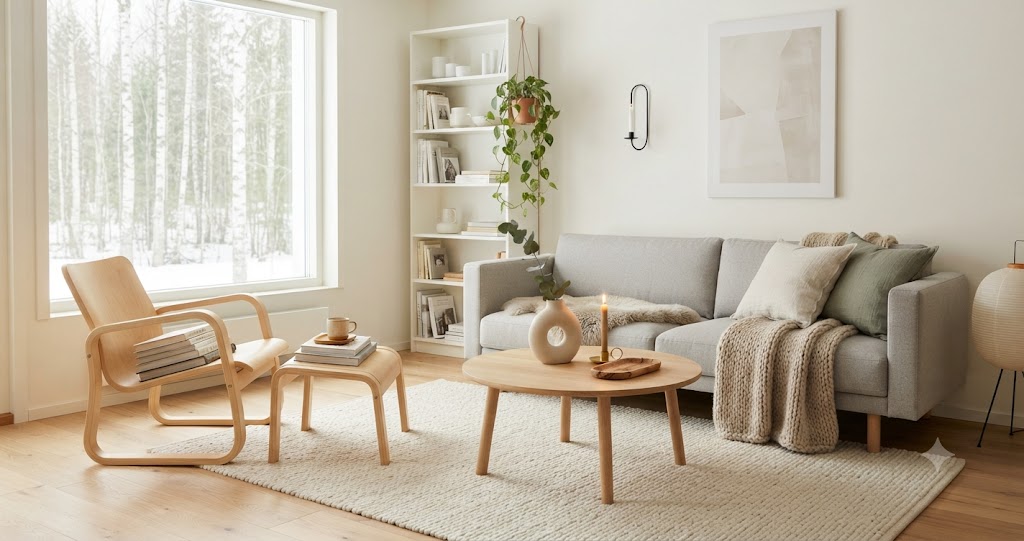
Scandinavian home decor is centered on functional minimalism, natural light, and the concept of “hygge”—creating a cozy, comfortable atmosphere. By prioritizing neutral color palettes, organic textures, and decluttered spaces, you can transform your home into a calm, airy retreat that balances aesthetic beauty with everyday utility.
The Philosophy of Nordic Design
Scandinavian interior design is not merely a style; it is a lifestyle rooted in necessity. Because Nordic countries experience long, dark winters, their design principles evolved to maximize light and foster warmth.
When you begin your journey into this style, you are adopting a mindset of “less is more.” Every item in your home should serve a purpose or provide joy. If it doesn’t add value, it is simply clutter.
Core Pillars of Scandinavian Aesthetics
To achieve this look without feeling like you are living in a hospital, you must layer textures and incorporate natural elements.
| Element | Scandinavian Application | Why it Works |
| Color Palette | Whites, light grays, muted blues, taupe | Reflects light and creates a sense of openness. |
| Materials | Light woods (ash, pine), wool, linen, leather | Adds warmth to a neutral color scheme. |
| Lighting | Multiple sources (floor lamps, candles) | Mimics daylight and creates “hygge” zones. |
The Role of Natural Light
The most important “decor” in a Scandinavian home is the light itself. To maximize this, avoid heavy drapery. If you need privacy, use light, breezy linen curtains or semi-sheer roller blinds that allow light to filter through while maintaining your comfort.
Bringing the Outdoors In
Nordic design is deeply connected to nature. You don’t need an indoor forest, but incorporating greenery is essential. Choose low-maintenance plants like Snake Plants or Pothos in simple, monochromatic ceramic pots.
Step-by-Step Framework for Beginners
If you are just starting, do not try to overhaul your entire home at once. Use this framework to build your space deliberately.
- Declutter Ruthlessly: Remove anything that does not serve a daily function or bring genuine happiness.
- Paint the Foundation: Use a crisp, warm white for your walls. This creates the “canvas” for your decor.
- Invest in One “Hero” Piece: Choose one high-quality, light-wood piece of furniture (like a dining chair or a sideboard) that embodies clean lines.
- Layer for Texture: Since you aren’t using bold colors, use textures to create depth. A chunky wool throw blanket or a jute area rug provides contrast against smooth white surfaces.
- Curate Lighting: Replace overhead lighting with warm-toned lamps at eye level.
Troubleshooting Common Decor Bottlenecks
“My home feels too cold or stark.”
This is the most common pitfall for beginners. If your home feels cold, you likely lack enough soft textures. Add a wool rug, velvet cushions, or wooden decor items. Warm lighting is the ultimate antidote to a “stark” atmosphere.
“I have too much stuff to hide.”
Scandinavian design relies on clever storage. If you cannot get rid of items, hide them. Use closed cabinetry, woven baskets, or ottomans with internal storage to maintain a clean visual field.
“Everything looks like a showroom.”
A space that feels too perfect lacks personality. Inject “hygge” by adding personal items that tell your story—a stack of your favorite books, a vintage wooden tray, or framed personal art.
Advanced Elements: Beyond the Basics
Once you have the fundamentals down, you can experiment with “New Nordic” elements. This involves slightly more daring color pops—such as a deep forest green or a muted terracotta—used strictly as accents against your neutral backdrop.
| Feature | Beginner Focus | Advanced Expansion |
| Textiles | Plain linen | Subtle geometric patterns or textured weaves |
| Furniture | Simple IKEA staples | Mid-century modern vintage finds |
| Decor | Basic greenery | Large-scale botanical art or sculptural ceramics |
Creating “Hygge” Zones
The goal is to create areas where you can physically feel the comfort. Consider a “reading nook” consisting of a single comfortable armchair, a floor lamp, and a small side table for tea.
In practice, this means prioritizing comfort over pure geometry. A chair doesn’t just have to look good; it must be somewhere you actually want to spend an hour.
Frequently Asked Questions
Does Scandinavian design have to be expensive?
Not at all. The core of the style is functionalism. Many of the best pieces are affordable, mass-produced items that prioritize clean lines and utility. Focus on quality of materials rather than brand names.
Is gray the only color allowed?
No. While neutral, the Scandinavian palette often includes soft pastels, muted earth tones, and even deep, moody accents. The key is balance and ensuring the “base” of the room remains light and airy.
How do I handle small spaces?
Scandinavian design is perfect for small spaces because it maximizes light. Use mirrors to reflect windows, keep furniture legs visible (raised off the floor) to create a sense of space, and keep clutter to a minimum.
What is the most important element for a beginner?
Lighting. If you change nothing else, upgrade your light bulbs to “warm white” and ensure you have at least three different light sources in every room.
Key Takeaways
- Embrace Minimalism: Remove what you don’t need to prioritize space and function.
- Texture is Key: Use natural materials like wool, wood, and linen to add warmth to neutral rooms.
- Light is Everything: Maximize natural light and layer with warm, artificial light sources.
- Purposeful Decor: Only keep items that serve a function or add genuine value to your life.
- Keep it Personal: Do not be afraid to add pieces that represent your unique history to ensure your home feels like a sanctuary, not a catalog.