
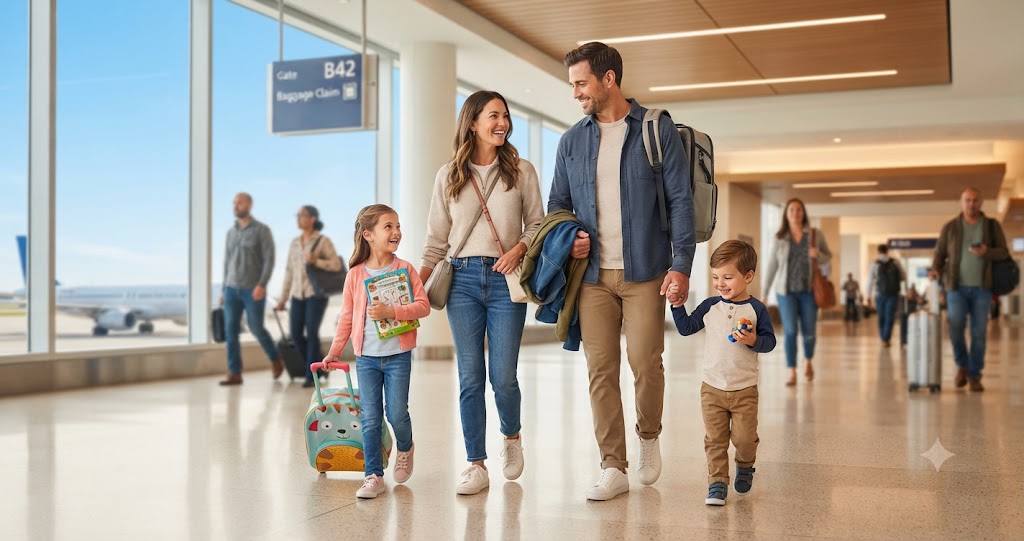
How to Travel With Kids Stress-Free: The Ultimate Expert Guide
Traveling with kids doesn’t have to be a logistical nightmare. By prioritizing routine stabilization, strategic packing, and proactive nervous system regulation for both you and your children, you can transform chaotic transit into a manageable, even enjoyable experience. Focus on preparation over perfection to ensure a smoother journey.
Key Takeaways
- Preparation: Always pack a “Go-Bag” with essentials to avoid digging through luggage during meltdowns.
- Routine: Maintain home-like sleep and meal rhythms as much as possible to minimize agitation.
- Engagement: Use novel activities, not just screens, to maintain interest during long transits.
- Mindset: Accept that delays will happen; your calm response is the most effective de-escalation tool.
The Pre-Trip “Calibration” Phase
Most travel stress stems from last-minute rushing. When you approach the airport or the road, your stress is palpable. Children mirror their caregivers; if you are erratic, they will be too.
Strategic Packing for Mobility
Don’t pack based on “what if.” Pack based on “what now.” Use a color-coded packing system:
- Blue Bags (Accessible): Snacks, headphones, comfort items, documents.
- Red Bags (Stowed): Clothing, toiletries, secondary gear.
| Item Category | Why You Need It | When to Use |
| Protein-Dense Snacks | Prevents “hangry” spikes | Every 2-3 hours |
| Noise-Canceling Gear | Reduces sensory overload | During transit/naps |
| Disposable Bags | Immediate waste management | Post-meal/diaper change |
Managing Transit Hurdles
Whether flying or driving, transit is a sensory-heavy experience. A common bottleneck is the “transition period”—the time between arriving at the terminal and actually sitting in your assigned seat.
The “Engagement Rotation” Framework
Do not give all your resources (snacks, toys, screens) at once. Use a rotation system to extend focus duration:
- Phase 1 (1st Hour): Familiar toys or books.
- Phase 2 (Mid-Transit): New, “surprise” small activity (e.g., sticker books, fidgets).
- Phase 3 (Final Stretch): Controlled screen time or audiobooks to settle down.
Advanced Troubleshooting: Meltdown Mitigation
A meltdown is not a failure; it is a communication of distress. When a child is overstimulated, reasoning with them is ineffective.
- Change the Sensory Environment: If in a loud terminal, move to a quieter gate. If in a car, adjust the temperature or change the audio stimulus.
- Deep Pressure: Hugging, or having them sit on your lap, provides proprioceptive input that can calm a dysregulated nervous system.
Comparison: Standard Approach vs. Advanced Strategy
| Scenario | Standard Approach | Advanced Strategy |
| Child is crying | “Stop crying, you’re embarrassing us.” | “I see you’re overwhelmed. Let’s take a break.” |
| Waiting in line | Give them a tablet to ignore them | Engage in a “I Spy” or counting game |
| Missing a connection | Panic and rush | Calmly pivot to [Internal Link: Tips for Handling Travel Delays] |
Why Routine Stability Matters
When we travel, we often abandon our daily structure, thinking “we’re on vacation.” This is a mistake. Children thrive on predictability.
If your child usually reads a book before bed, ensure you have that exact book. If they have a specific nap time, schedule your movement around it. [External Link: Trusted Pediatric Sleep Specialist] emphasizes that maintaining sleep-wake windows is the single greatest factor in preventing travel-induced behavioral issues.
Frequently Asked Questions
How do I handle ear pain for kids on flights?
The most effective way is to have them swallow or chew during descent. For infants, a pacifier or bottle is perfect. For older children, gum or chewy snacks are excellent.
What is the “Golden Hour” of travel?
The Golden Hour is the period right after you reach your destination. Use this time to let kids run around, change into comfortable clothes, and eat a healthy meal. This prevents the “travel hangover” the next day.
Should I bring a stroller?
If your child is under 5, yes. A stroller acts as a mobile safe space, a bed for napping, and a luggage carrier. It is an essential tool for reducing your physical load.
How do I manage screen time limits while traveling?
Travel is a “survival” scenario, not a daily routine. Give yourself permission to be flexible with screen time to avoid meltdowns, but prioritize non-screen activities (like coloring or audiobooks) for the first half of the journey to prevent sensory burnout later on.
Is it better to travel at night or during the day?
Traveling at night is excellent for sleep, but it puts the burden of stamina on you. If you are an anxious driver or parent at night, stick to daytime travel. Prioritize your own well-being to ensure you can support the kids during the journey.