
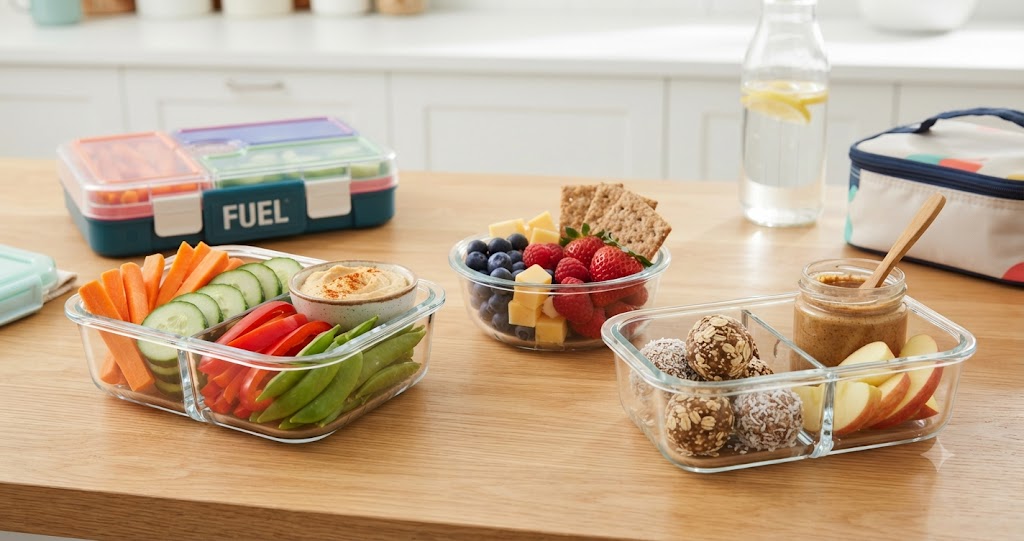
Providing healthy snacks for school children is essential for sustaining energy levels, supporting cognitive function throughout the school day, and establishing long-term, positive eating habits. By prioritizing whole foods—such as lean proteins, fiber-rich fruits, vegetables, and complex carbohydrates—you can prevent mid-day slumps and ensure children remain focused and engaged in the classroom.
The Biological Need for Strategic Snacking
Children possess smaller stomachs than adults, meaning they cannot always consume enough energy during a standard lunch break to power them through the entire day. A strategic snack acts as a bridge, preventing the blood sugar crashes that lead to irritability, loss of focus, and behavioral issues in the classroom.
When we talk about “fueling” a student, we are looking at the interplay between glucose (for immediate mental energy) and sustained release nutrients (for physical endurance).
Understanding Macro-Nutrient Pairing
To maximize the efficacy of a school snack, never rely on a single nutrient profile. Simple carbohydrates provide a quick burst, but they dissipate rapidly. The secret to a high-performing snack is pairing:
- Fiber + Protein: This combination slows the absorption of sugar, leading to a steady energy curve rather than a spike-and-crash.
- Healthy Fats + Complex Carbs: This keeps the digestive system satisfied longer, preventing the “I’m hungry again” feeling one hour after a snack.
| Snack Combination | Primary Benefit | Ideal For |
| Apple Slices + Almond Butter | Sustained Energy | Long Afternoon Classes |
| Greek Yogurt + Berries | Cognitive Support | Morning Recess |
| Hummus + Carrot Sticks | Fiber & Satiety | Post-Lunch Mid-day |
| String Cheese + Whole Grain Crackers | Protein & Fiber | High-Activity Days |
Essential Components of the School Lunchbox
The modern school day is physically and mentally demanding. To ensure your child performs at their peak, categorize their snacks based on the type of school day they have ahead of them.
Low-Glycemic Index (GI) Carbohydrates
High-GI foods—like sugary granola bars or refined snacks—trigger insulin spikes that are eventually followed by a crash. Instead, focus on low-GI options that provide a steady stream of glucose to the brain. Think of steel-cut oats, quinoa-based bites, or legumes.
Hydration as a Nutrient
We often overlook hydration in the context of snacking. Dehydration is one of the leading causes of afternoon fatigue in students. A snack that contains high water content—such as cucumber rounds, oranges, or melon—is a “dual-purpose” tool that keeps them hydrated while delivering essential vitamins.
Managing Common Logistical Bottlenecks
Packing a healthy snack is one thing; having it consumed is another. Many parents struggle with the reality that what is “nutritious” is not always what a child finds “appetizing.”
Overcoming the “Texture” Hurdle
Children often reject healthy snacks not because of taste, but due to texture. A common bottleneck is the “mush factor.” If a child dislikes soft fruit, shift to crunchy alternatives like snap peas or dehydrated apple chips. If they dislike dry textures, use a dipping agent like a bean-based dip or nut-free butter to facilitate consumption.
The Temperature Factor
Nothing kills the appeal of a healthy snack like a lukewarm piece of fruit or melted cheese. Investing in small, insulated containers or reusable ice packs changes the entire experience. A cold, crisp vegetable is infinitely more appealing than one that has been sitting in a warm backpack for four hours.
Evaluating Nutrient Density
Not all “healthy” snacks are created equal. Many store-bought snacks labeled as “wholesome” or “natural” are packed with hidden sugars and processed oils.
The 80/20 Rule for School Snacks
Aim for 80% of your snack choices to be comprised of whole, single-ingredient foods. Reserve the other 20% for high-quality, pre-packaged snacks that make the daily routine easier. This creates a sustainable system rather than an exhausting one.
Customizing for School Activities
Does your child have Physical Education or an after-school sport? Their snack needs will shift.
| Activity Level | Priority Nutrient | Example Snack |
| High Physical Activity | Glycogen Replenishment | Banana + Peanut Butter |
| High Cognitive Load (Exams) | Omega-3 Fatty Acids | Walnuts + Dark Chocolate |
| Sedentary/Standard Day | Fiber & Volume | Celery + Cream Cheese |
Troubleshooting Frequent Hunger
If a child arrives home ravenous, it is rarely a sign of poor lunch habits; it is a sign of a “snack gap.” Analyze the timing. If the school lunch is early, they need a robust, protein-heavy afternoon snack. If the lunch is late, they need a small, fiber-rich morning snack.
The “DIY” Snack Framework
To encourage independence, create a “snack station” in your refrigerator or pantry. When children are allowed to choose from a selection of pre-approved, healthy options, they are significantly more likely to eat the food they bring to school. This removes the power struggle and builds agency over their own nutritional needs.
Focus on three pillars when stocking this station:
- Fresh Produce: Already washed and portioned.
- Protein Anchors: Hard-boiled eggs, cheese sticks, or greek yogurt.
- Crunchy/Savory: Seeds, nuts (if allowed), or whole-grain crisps.
By consistently applying these principles, you turn the daily task of packing a snack into a consistent, performance-enhancing habit for your child.