
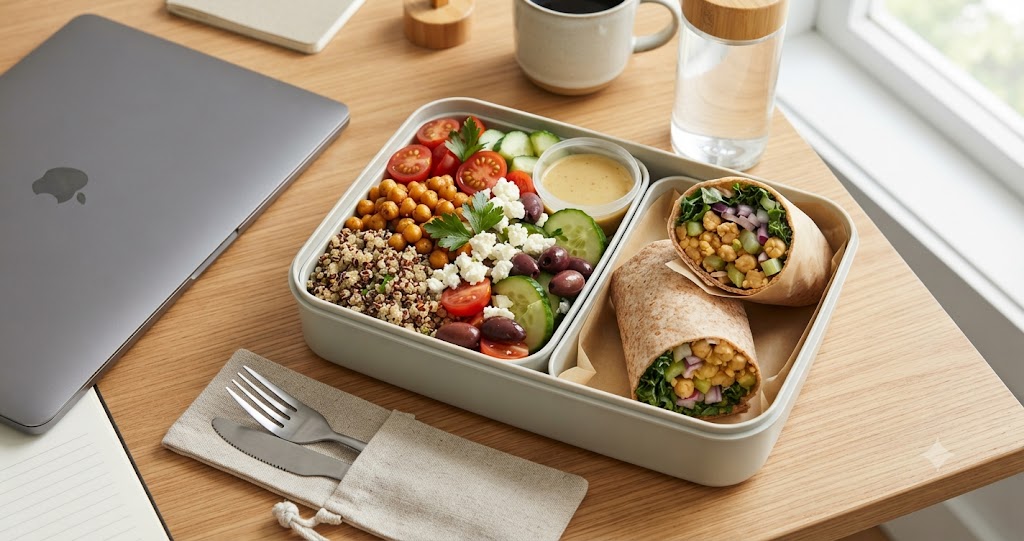
Looking for the best vegetarian lunch ideas for work that keep you energized through the afternoon? The ideal office lunch balances complex carbohydrates, plant-based protein, and healthy fats to prevent the 3 PM slump. Focus on make-ahead bowls, nutrient-dense wraps, and cold salads that maintain their texture by midday.
The Core Philosophy of Office-Friendly Vegetarianism
Moving beyond simple salads requires a shift in how you approach meal prep. If you rely solely on lettuce, you will be hungry by 2 PM. Instead, your goal is to build “functional lunches” that prioritize satiety and transportability.
When designing your weekly rotation, focus on the “Three-Part Formula”:
- The Anchor: A complex carb (quinoa, farro, brown rice, or sweet potato).
- The Protein: Legumes, tofu, tempeh, seitan, or Greek yogurt-based dressings.
- The Crunch/Fat: Nuts, seeds, avocado, or raw vegetables added right before eating.
Essential Lunch Components Comparison
| Category | Best Ingredients | Why It Works |
| Proteins | Chickpeas, Lentils, Tofu | High fiber, keeps you full longer |
| Grains | Farro, Quinoa, Barley | Better texture than white rice; more minerals |
| Vegetables | Roasted Broccoli, Bell Peppers | Holds up better than delicate greens |
Meal Ideas That Stay Fresh Until Lunch
1. Mediterranean Quinoa Power Bowls
Quinoa is a superior choice for work lunches because it doesn’t get mushy. Mix cooked quinoa with diced cucumbers, Kalamata olives, sun-dried tomatoes, and crumbled feta. For protein, add a generous scoop of roasted chickpeas seasoned with cumin and paprika.
2. Smashed Chickpea “Tuna” Wraps
This is a game-changer for desk eating. Mash canned chickpeas with Greek yogurt (or tahini), celery, red onion, and fresh dill. It mimics the texture of tuna salad without the fishy smell—perfect for shared office spaces. Serve this inside a whole-wheat wrap or over a bed of hearty kale.
3. Thai-Inspired Peanut Noodle Jars
Use rice noodles, shredded carrots, purple cabbage, and edamame. Place the peanut sauce (peanut butter, soy sauce, lime juice, ginger) at the very bottom of the glass jar. Layer the noodles on top and the raw veggies on top of that. When you’re ready to eat, shake the jar to coat everything evenly.
Managing Ingredients for Long-Term Success
To keep your lunch strategy sustainable, focus on modular prep. Don’t cook three different meals; cook three different components that you can mix and match.
- Batch-Roast Vegetables: Spend 30 minutes on Sunday roasting trays of cauliflower, sweet potatoes, and Brussels sprouts.
- Protein Prep: Press and bake two blocks of tofu or simmer a large pot of black beans.
- Sauce Rotation: Keep three distinct sauces in your fridge—a tahini lemon dressing, a spicy peanut sauce, and a balsamic vinaigrette. Changing the sauce changes the entire profile of your base ingredients.
Troubleshooting Common Lunch Challenges
The “Soggy Salad” Problem
If your greens are wilting, you are likely introducing moisture too early. Use a paper towel inside your storage container to absorb excess condensation. If you prefer salads, use “hardy” greens like kale, chard, or shredded cabbage rather than butter lettuce or spring mix.
Lack of Satiety
If you find yourself reaching for snacks by mid-afternoon, you aren’t eating enough healthy fats. Add a quarter-cup of walnuts, pumpkin seeds, or a half-avocado to your meal. Fat is the signal that tells your brain you are full.
The “Stuck in a Rut” Syndrome
Variety is essential for long-term consistency. If you eat the same wrap every day, you will eventually burn out and turn to takeout. Use the rotation method: rotate between a grain bowl, a cold salad, and a wrap throughout the week.
Advanced Nutritional Optimization
Beyond just “vegetarian,” look at your micronutrient intake. Vegetarian diets can sometimes lack iron and B12. Integrate dark leafy greens (spinach, kale) and fortified nutritional yeast to ensure you are meeting your daily requirements.
Creating Your Weekly Strategy
| Day | Lunch Strategy | Focus |
| Monday | Quinoa Bowl | Reset with fresh, whole foods |
| Tuesday | Chickpea Wrap | Quick, grab-and-go efficiency |
| Wednesday | Leftover Pasta/Grain | Using ingredients from dinner |
| Thursday | Thai Noodle Jar | High flavor, high texture |
| Friday | “Clean out the Fridge” | Combining remaining produce/proteins |
Refining Your Workflow
When you start prepping, begin by mapping out your week. If you know you have a high-stress meeting on Wednesday, don’t plan a lunch that requires assembly. Go for the “Grab-and-Go” jar approach.
Conversely, if you have a lighter workload on Monday, that is the perfect time for a more complex meal.
Ultimately, the best vegetarian lunch for work is the one you actually want to eat at 12:30 PM. If the food isn’t enjoyable, the habit won’t stick. Experiment with different spices, textures, and temperatures to find your personal rhythm. Remember that the goal isn’t perfection; it is providing your body with the fuel it needs to perform your best throughout the workday.
By utilizing these structured frameworks—from the “Three-Part Formula” to the “Modular Prep” approach—you transition from merely eating to actually optimizing your nutritional intake for professional performance. Keep your pantry stocked with staples like canned beans, shelf-stable grains, and nuts, and you will never find yourself scrambling for a subpar lunch again.